 +48 739 241 344
Transform your space with perforated metal
Discover the possibilities of perforated metal. Create unique, elegant and durable elements that stand out in any setting.
Our productsOur products
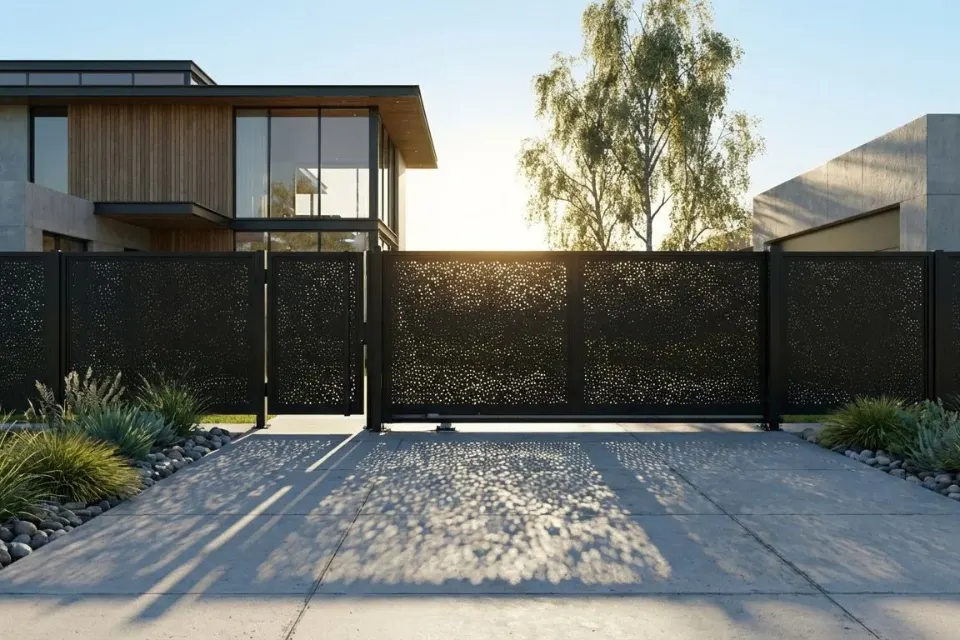
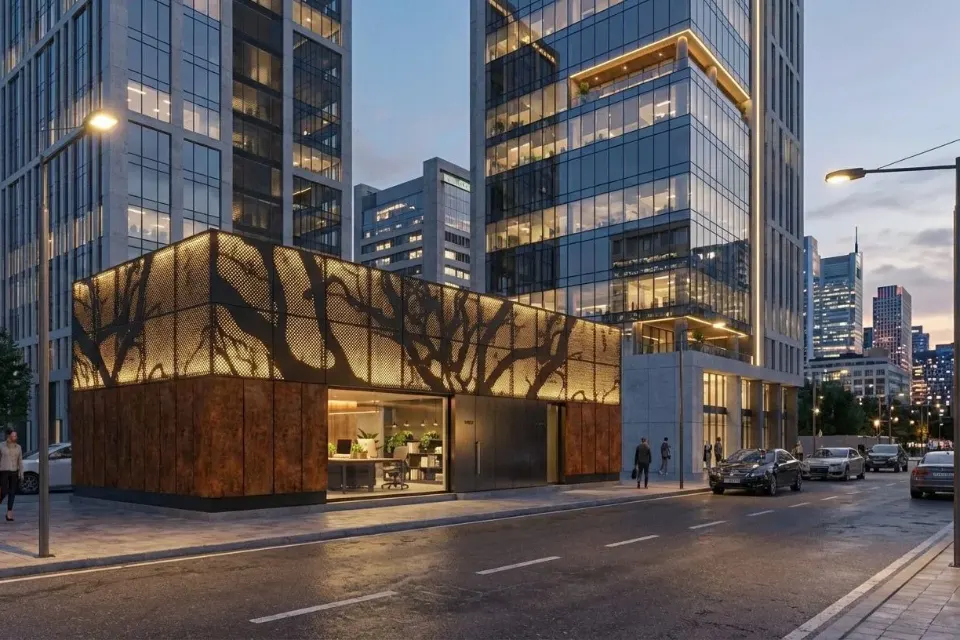
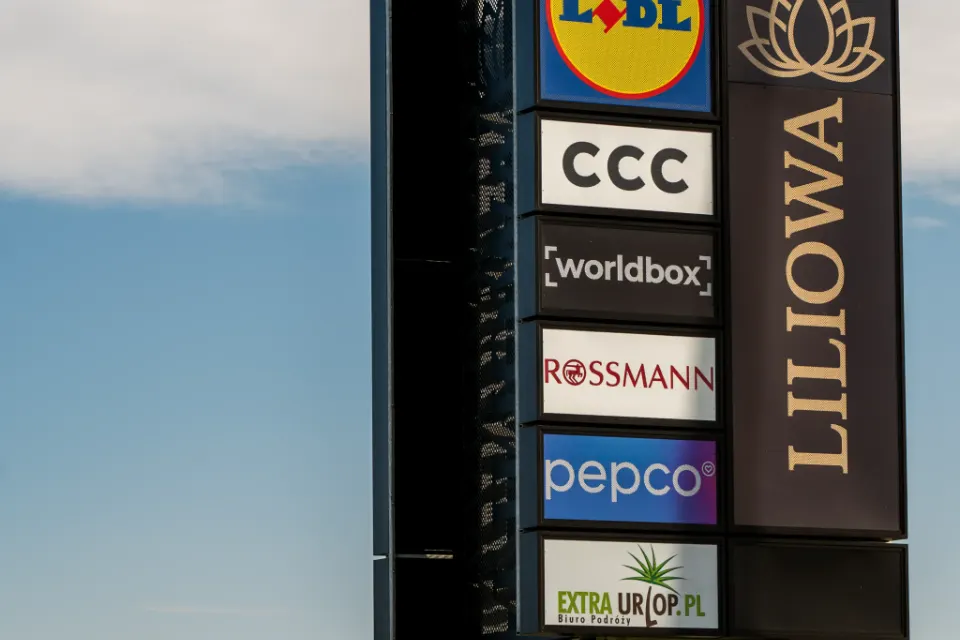
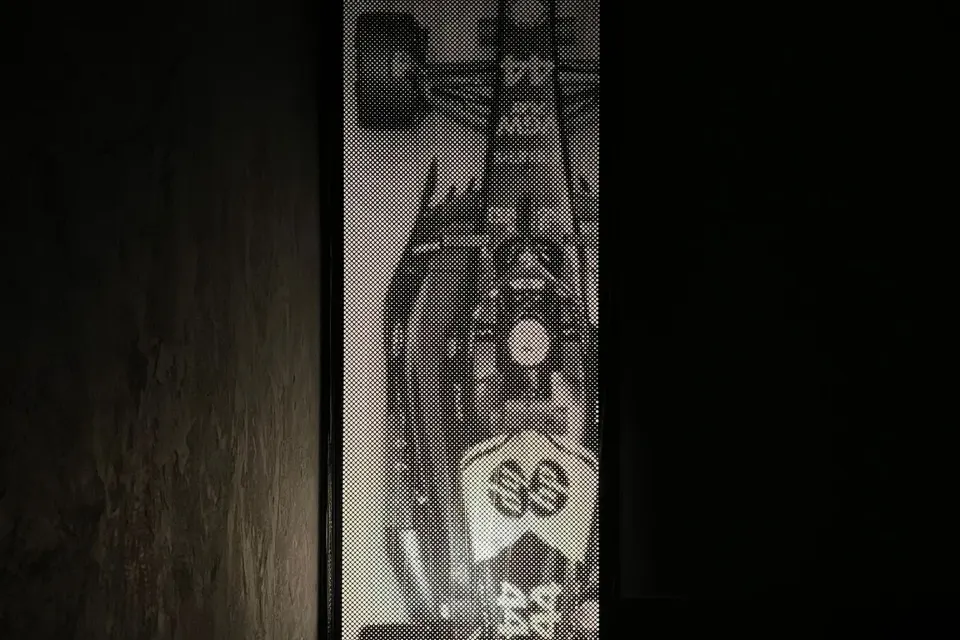
Have questions or need a custom project? Contact our team of experts by phone or e-mail to get a detailed quote and tailored solutions.
Get in touchFrequently asked questions
What is perforated metal and how is it used?
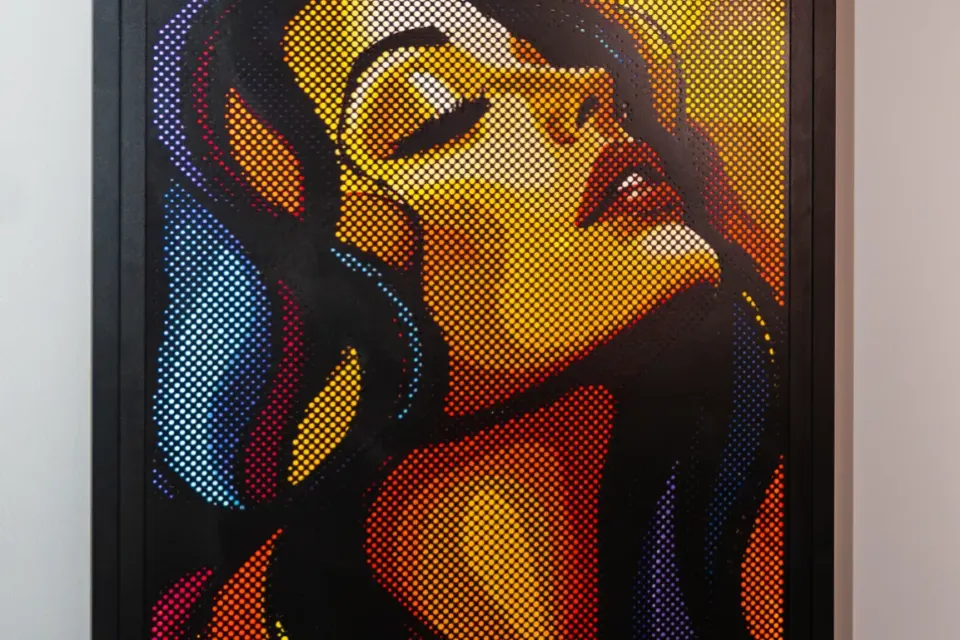
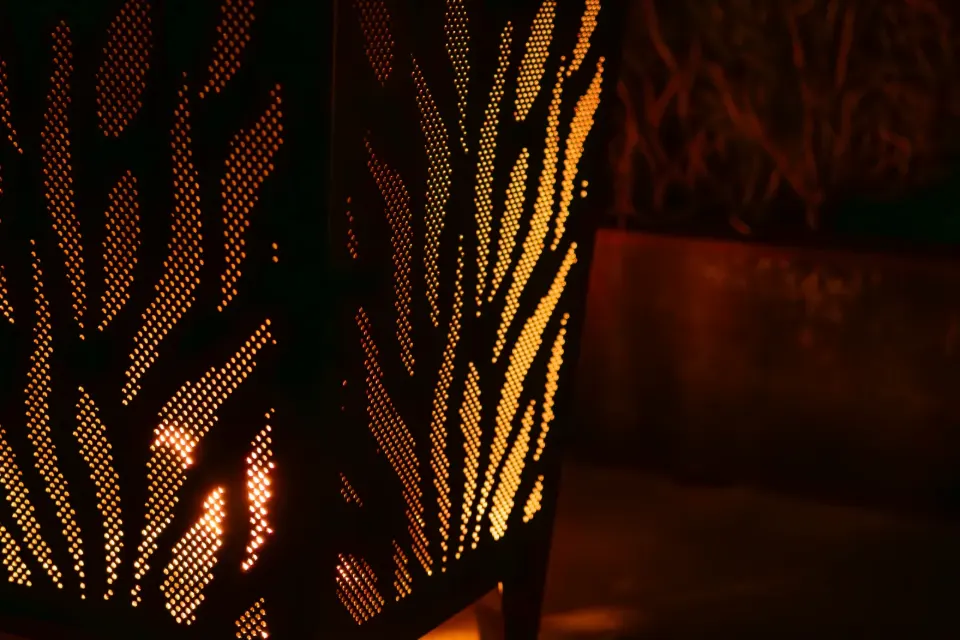
Perforated metal is a metal sheet that has been mechanically punched to create holes or other shapes in a specific pattern. It is widely used for both functional and decorative purposes, such as architectural facades, signage, furniture and interior elements. Its versatility makes it popular in construction, advertising and design, where it is used to control airflow, absorb sound, create lighting effects and more.
What are the benefits of using perforated metal in projects?
We offer perforated products made of various materials, including:
- Aluminium: Lightweight and corrosion-resistant, ideal for outdoor use.
- Stainless steel: Durable and rust-resistant, excellent for demanding environments.
- Carbon steel: Economical and strong, often used in construction.
- Brass or copper: Gives a decorative, unique look, used in artistic projects.
What finishing options are available?
Our finishing options include:
- Powder coating: Available in a wide range of colours, provides extra protection against the weather.
- Anodising (for aluminium): Increases corrosion resistance and can add a metallic sheen.
- Polishing or brushing: Creates a smooth or textured finish, ideal for decorative use.
- Galvanising: Protects steel against rust, especially outdoors.
Do you offer installation services?
While we specialise in designing and manufacturing perforated metal products, we can recommend trusted partners or installation specialists depending on your location. Our products also come with detailed installation guidelines to help your contractor or team.
Are there special care instructions for outdoor products?
Perforated metal products used outdoors, especially in corrosive environments (such as coastal areas), benefit from additional protective finishes such as powder coating or galvanising. Regular inspection and cleaning keep the material in optimal condition and prevent build-up of dirt that could cause degradation.
How is perforation done and what machines are used?
Perforation is usually done with CNC punching machines or laser cutting. CNC punching mechanically punches holes into the sheet with dies, while laser cutting uses a high-power laser to cut shapes precisely without physical contact. Both methods allow a high level of customisation and precision.
What are the maximum dimensions of perforated panels?
The maximum panel size depends on the material and the machine used, but we can typically produce panels up to 1.5 by 3 metres. For larger surfaces, panels can be joined without visible seams.
Can you provide technical drawings or product specifications?
Yes, we provide detailed technical drawings and specifications for all our products. After discussing your project requirements, we can prepare custom CAD drawings showing dimensions, perforation patterns and material details. These documents are used for approval before production and can help your contractor with installation.